
Understanding the psychology of players at pinco casinos
The Allure of Gambling: A Psychological Perspective
The psychology behind why individuals are drawn to pinco casinos is multifaceted. Many players are motivated by the thrill and excitement of potentially winning big. This phenomenon can be attributed to the human brain’s reward system, which releases dopamine when anticipating a reward. This biological response can create a powerful urge to continue playing, even when the odds are against the player. As a result, the gambling environment is deliberately designed to stimulate this sense of excitement. For those interested in online options, casino en ligne Pinco provides a variety of games that cater to different preferences.

Add to this the social aspect of gambling, where players often engage with friends or meet new people, creating a sense of community and belonging. This social interaction can enhance the enjoyment of the experience, making players more likely to return. Players might also find themselves in environments that encourage repeated play, where bright lights and engaging sounds create a captivating atmosphere, further reinforcing the desire to gamble.
Understanding these psychological motivations helps casino operators tailor their offerings to enhance player retention. By creating environments that are both engaging and rewarding, pinco casinos can capitalize on the innate human desire for connection and excitement. This understanding also aids in developing responsible gambling measures that consider players’ psychological states and encourage safer play habits.
Risk and Reward: The Psychological Mechanisms at Play
The core of gambling psychology revolves around the concepts of risk and reward. Players often engage in a psychological balancing act, weighing their chances of winning against the potential loss of money. This risk-taking behavior is deeply embedded in human nature, as studies show that individuals are often more motivated by the possibility of loss than the prospect of gain. This phenomenon, known as loss aversion, can compel players to continue gambling in hopes of recouping their losses.
Moreover, the structure of games themselves can exploit these psychological tendencies. Games that offer near misses—where a player comes close to winning but ultimately does not—are particularly effective at keeping players engaged. This psychological trick can create an illusion of control, making players feel as though they are just one more bet away from a win, thus encouraging them to keep playing. This cycle can lead to increased gambling behavior, as players chase the elusive win.
Another aspect of risk and reward is the unpredictability of outcomes. The random nature of gambling means that players may experience winning streaks that can lead to overconfidence. This is often compounded by cognitive biases, where individuals may remember their wins more vividly than their losses, leading them to believe they have a better chance of winning than they actually do. Understanding these mechanisms is vital for both players and casino operators in promoting responsible gaming practices.
Emotional Influences: The Role of Mood and Stress
Emotions significantly impact gambling behavior, with players often using gambling as an escape from stress or negative emotions. Many individuals may turn to pinco casinos during times of emotional turmoil, seeking distraction or a quick dopamine fix through gambling. This coping mechanism can lead to a cycle of gambling as a means of managing stress, which can spiral into problematic behaviors over time.
Conversely, positive emotions can also influence gambling behavior. Players in a good mood may be more willing to take risks, believing that their luck will carry them through. This phenomenon is supported by psychological studies showing that mood can alter decision-making processes, leading individuals to make choices they might not typically consider. Casinos, therefore, often curate environments that foster a sense of joy and excitement, further encouraging players to engage in gambling activities.
Recognizing the emotional drivers behind gambling is crucial for developing strategies that promote healthy behaviors. By understanding how emotions influence choices, both players and casino operators can work together to create environments that support responsible gaming, helping to mitigate the risks associated with gambling addiction.
The Role of Environment in Shaping Behavior
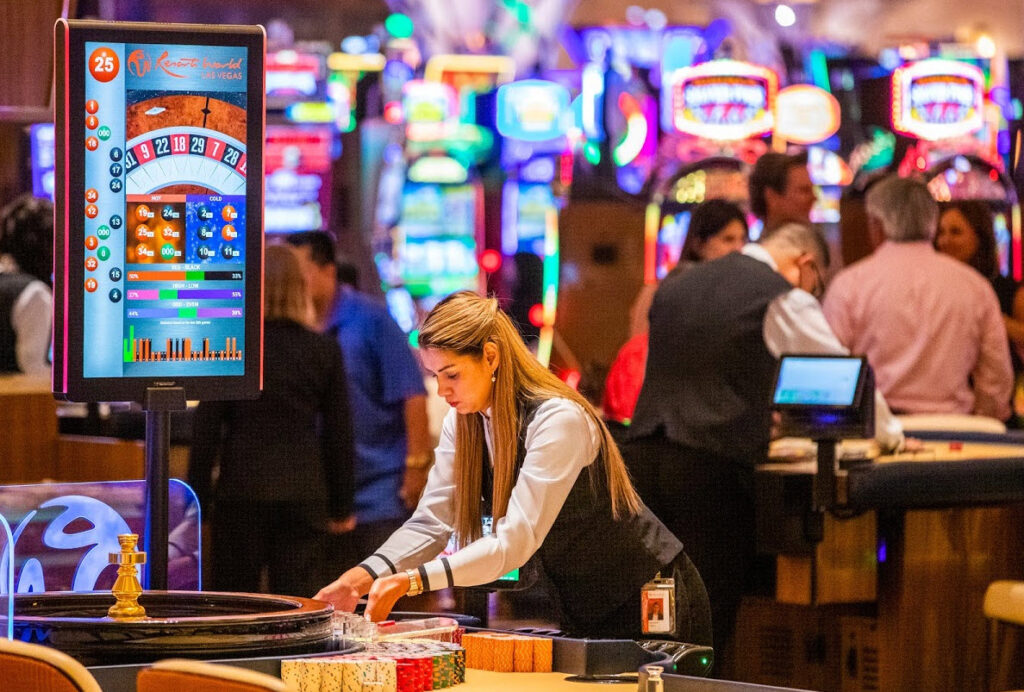
The environment of a pinco casino is meticulously crafted to enhance the psychological experience of players. Factors such as lighting, sound, and layout are strategically designed to create an immersive experience that keeps players engaged. For example, dim lighting and upbeat music can elevate excitement and encourage longer play sessions. This design psychology taps into the players’ emotions and can significantly influence their decision to continue gambling.
Moreover, the placement of games and the presence of other players can create a social environment that fuels gambling behavior. When surrounded by others who are winning or enjoying their experience, players may feel compelled to join in, motivated by the collective excitement. This social proof can reinforce the idea that gambling is a favorable activity, further blurring the lines between casual play and excessive gambling.
Understanding how environmental factors influence player behavior is essential for creating responsible gaming practices. Casinos can implement features that promote mindful gambling, such as reminders to take breaks or self-exclusion options for those who may need help. By fostering a balanced environment, operators can cater to players’ psychological needs while encouraging responsible gaming habits.
Conclusion: Promoting Responsible Gambling in Pinco Casinos
Understanding the psychology of players in pinco casinos is essential for promoting responsible gambling and creating healthier gaming environments. By recognizing the psychological motivations, emotional influences, and environmental factors that shape gambling behavior, both players and casino operators can take proactive steps towards mitigating risks associated with gambling addiction.
Educational initiatives that inform players about the psychological aspects of gambling can empower them to make informed choices. This awareness can lead to a more mindful gaming experience, where players can enjoy the thrill of gambling without succumbing to its potential pitfalls. Additionally, casino operators have a responsibility to foster environments that prioritize player well-being, providing resources for those who may need assistance.
In conclusion, a deep understanding of gambling psychology can pave the way for a more responsible and enjoyable gaming experience at pinco casinos. By focusing on both player behavior and operator responsibility, the industry can create a sustainable model that emphasizes fun and safety in the world of gambling.